Entrepreneur Mastermind: A Strategic Break for New Perspectives and Growth
An entrepreneur mastermind creates space for important decisions. For business owners aged 40 and over: new business models, international expansion and a better quality of life.
Published on 9 min readTopic: Strategy & business models
- Mastermind
- Growth
- Succession
- Strategy
- Business model

What do I still want to build over the next ten years? Many entrepreneurs only ask themselves this question once they genuinely have the time for it.
Entrepreneurs make decisions every day. They decide about customers, employees, investments, prices and new projects. Often this happens between two appointments, while the next tasks are already waiting.
For some questions, however, this setting is not enough:
- What do I still want to build over the next ten years?
- What role should my company play in my life in future?
- How can I grow internationally without spending even more time in the business?
- What comes after the success so far?
Questions like these need distance. Not because the day-to-day business is unimportant, but because it is rarely possible to develop, from within it, the perspective that fundamental decisions require.
An entrepreneur mastermind can provide the right setting for this.
What is an entrepreneur mastermind?
An entrepreneur mastermind is a small group of business owners who work on strategic, economic and personal questions about the future.
The focus is not only on revenue and marketing. It covers the whole of entrepreneurial life:
- Business model and positioning
- Growth and scaling
- Digitalisation and artificial intelligence
- New products and target groups
- Companies abroad
- Leading from abroad
- Succession and handover
- Financial freedom
- Personal values
- A better quality of life
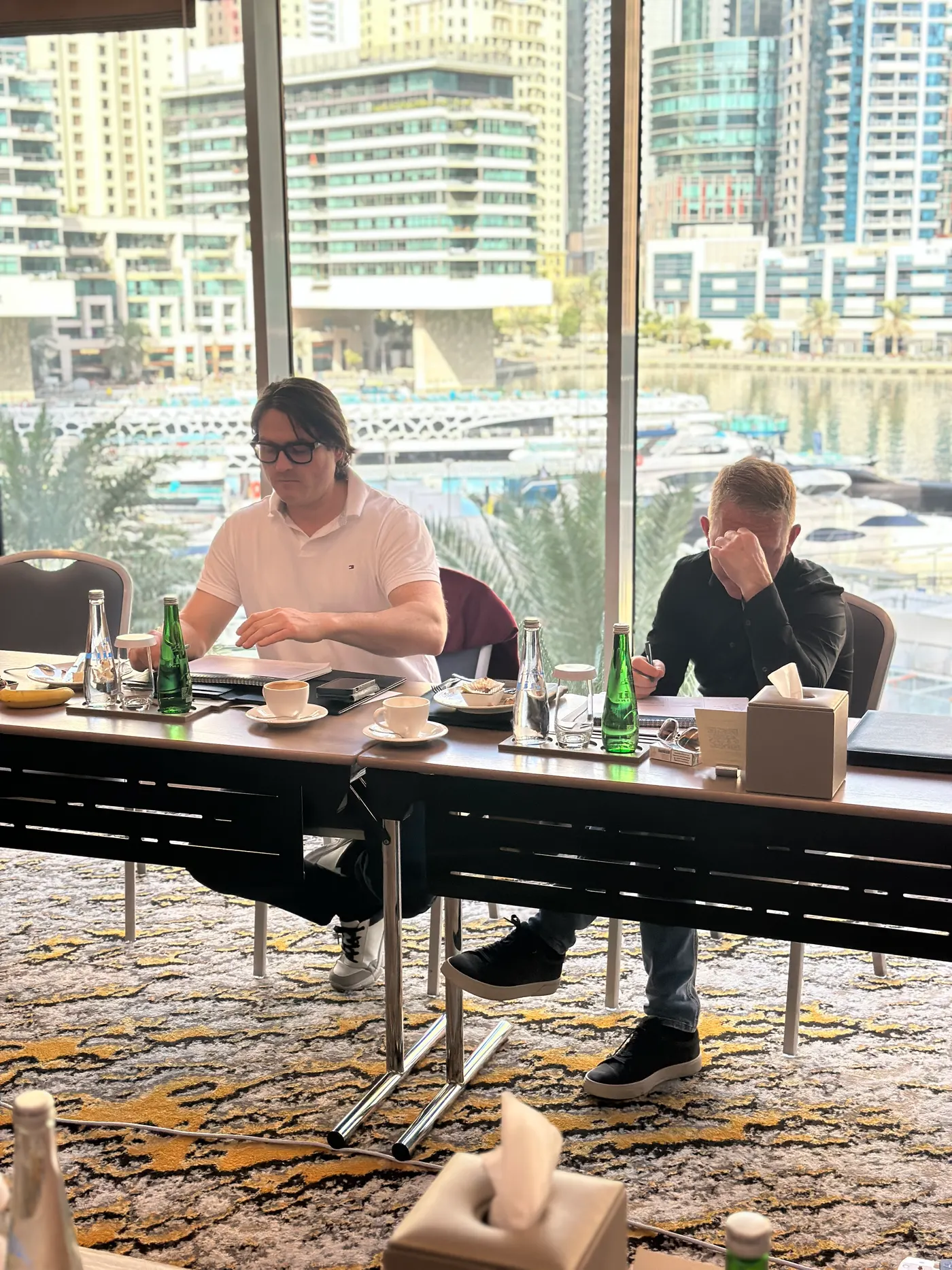
The difference from a conventional seminar lies in the exchange. In an entrepreneur mastermind, people meet who carry responsibility themselves. They know the pressure of making difficult decisions, leading employees and, at the same time, keeping their own future in view.
Why a strategic break matters especially for entrepreneurs aged 40 and over
In their early 30s, many entrepreneurs are mainly concerned with building up their business. They win their first customers, develop the offering, hire employees and invest a great deal of time in the company. The goals are mostly clear: success, independence and growth.
From 40, many people's view of their own lives changes. The company is established. The children become more independent. Financial goals have been partly achieved. At the same time, it becomes apparent that the earlier goals are no longer automatically the right ones.
Then questions arise such as:
- Do I still genuinely enjoy my work?
- What should come after the success so far?
- Do I want to keep growing, or work differently?
- How much time do I still want to spend in the business?
- Which projects truly interest me today?
- What does success mean to me at this stage of life?
These questions are not a sign of ingratitude. They show that your own circumstances are changing.
40 questions that occupy entrepreneurs in a new phase of life
When success no longer satisfies
- Why do I feel empty despite my success?
- What comes after the success so far?
- Which goals still truly belong to me?
- What would I start if I no longer had anything to prove to anyone?
- Is my company still my life's work, or just an obligation?
- Which tasks give me energy?
- Which tasks do I no longer want to take on myself?
- What does success mean to me today?
When the passion for the business fades
- Why doesn't my company feel the way it used to?
- Am I missing passion, or do I need a new role?
- Do I want to remain active in day-to-day operations?
- Which tasks can I hand over?
- Where have I become the bottleneck in the company?
- What would I like to change if I had more courage?
- Which work do I still genuinely enjoy?
- What do I want to get up for in the morning?
When the company has been sold
- What do I do after selling my company?
- Who am I when my company is no longer part of my daily life?
- Do I want to build something new again?
- Do I miss the responsibility, or the creative challenge?
- How can I put my experience to good use?
- Do I want to invest, advise or support new entrepreneurs?
- How much work should there still be in my life in future?
When the company is meant to keep growing
- How can I scale my company?
- What is currently limiting growth?
- Do I need new processes or a new business model?
- Which services can be offered digitally?
- Which customers and markets suit the next stage of development?
- How can the company grow without me having to work more?
- Which decision have I been putting off for too long?
When personal values change
- Do my business goals still fit my life?
- What has changed after a separation or personal crisis?
- Where do I want to live in future?
- Which experiences do I no longer want to put off?
- What does freedom mean to me in concrete terms?
- How can my company fit the life I want?
When succession is open
- Why should my children take over the company?
- What did I build the company for?
- What happens if the next generation chooses a different path?
- How can I make the company attractive to external successors?
- What role do I want to take on after the handover?
- How can I pass on my knowledge without having to control everything?
Michael (mechanical engineering): when the next task is missing after the sale
Michael had sold his mechanical engineering company after more than 20 years.
Financially, everything was settled. The family was secure, and for the first time in a long while there were no urgent decisions.
Even so, his daily life felt empty. He did not necessarily miss the long working days. What he missed was shaping things, developing people and the exchange with other entrepreneurs.
In the end he decided against founding a new company full-time. Instead, he took stakes in selected businesses and began to support young entrepreneurs strategically. He did not want to work in the same way as before, but to use his experience in a new way.
Sabine (retail): when the children do not take over the company
Together with her husband, Sabine had spent many years building a successful trading company.
Her children, however, wanted to pursue their own careers. At first this was hard for Sabine to accept. The question “What did we build all of this for?” became more and more important.
Gradually she developed a new perspective. The value of her life's work did not depend on whether one of her children took over the company.
Together with her husband, she began to make the company less dependent on its owners. Processes were documented, responsibilities redistributed and the conditions for an external succession put in place.
In parallel, Sabine developed a project of her own in the field of sustainable products. Handing over the existing company and building a new personal perspective could happen at the same time.
Thomas (IT services): a new strategy emerges after a personal crisis
Thomas had run an IT company for many years.
After a personal separation, he began to question many of his earlier decisions. He did not want to give up his company, but he also no longer wanted to organise his whole life around the business.
The central question was therefore not: “How can I grow even faster?” It was a different one: how does my company need to be set up so that it fits my life?
Thomas began to hand more responsibility to his management team. He introduced digital processes and examined which tasks he could manage from abroad in future.
This made it possible for him to live in another place for several months a year without losing control of the company.
Can I build my company internationally and run it from abroad?
For many entrepreneurs from Germany, Austria and Switzerland, the question of an international location is becoming more and more interesting.
Some want to emigrate completely. Others only want to spend part of the year abroad. Still others are looking for a new market or want to open up new markets digitally.
This raises important questions:
- Which location suits your own circumstances?
- Which markets should be reached in future?
- Can the company be run from abroad?
- Which tasks still have to take place on site?
- Which digital systems are needed?
- How does leadership work across several locations?
- Which legal and tax issues need to be checked?
- Does the expansion make economic sense?
Running a company from abroad does not work with a laptop alone. It needs clear responsibilities, reliable processes, automated digital processes and a management team that can make decisions independently.
At the same time, an international location can open up new possibilities: new customers, international partnerships, further markets and more personal freedom.
After this section, entrepreneurs can find out in our DACH global Mastermind in Dubai what international growth can look like in concrete terms.
Why business strategy and life strategy belong together
Business decisions are often considered separately from personal questions.
The company is meant to grow. The family wants more time together. The centre of life is meant to shift. Your own health and quality of life become more important.
In reality, these topics are closely linked. A company that only works if its owner is on site every day does not fit a life spread across several locations. An aggressive growth strategy may no longer fit your own values. A company without a clear succession can stand in the way of personal freedom for years.
That is why a strategic break for entrepreneurs should not look at business strategy alone. The more important question is: how does my company need to be designed so that it supports the life I want?
What does an entrepreneur mastermind actually deliver?
A good entrepreneur mastermind does not give every participant the same answer. It creates a setting in which the right questions are asked and concrete decisions are prepared.
This includes:
- an honest look at the current situation
- new perspectives from other entrepreneurs
- clarity about your own role
- ideas for developing digital business models
- input on digitalisation and AI
- strategies for growth and scaling
- an exchange on international markets
- thoughts on succession and handover
- a concrete roadmap for the coming months
The exchange with people who are at similar points is particularly valuable. You do not have to explain why a decision about location also affects the family, or why selling a company does not automatically mean being content afterwards.
Our ivato references show which companies we have already worked with on these questions.
Experience an entrepreneur mastermind in Tyrol or Dubai
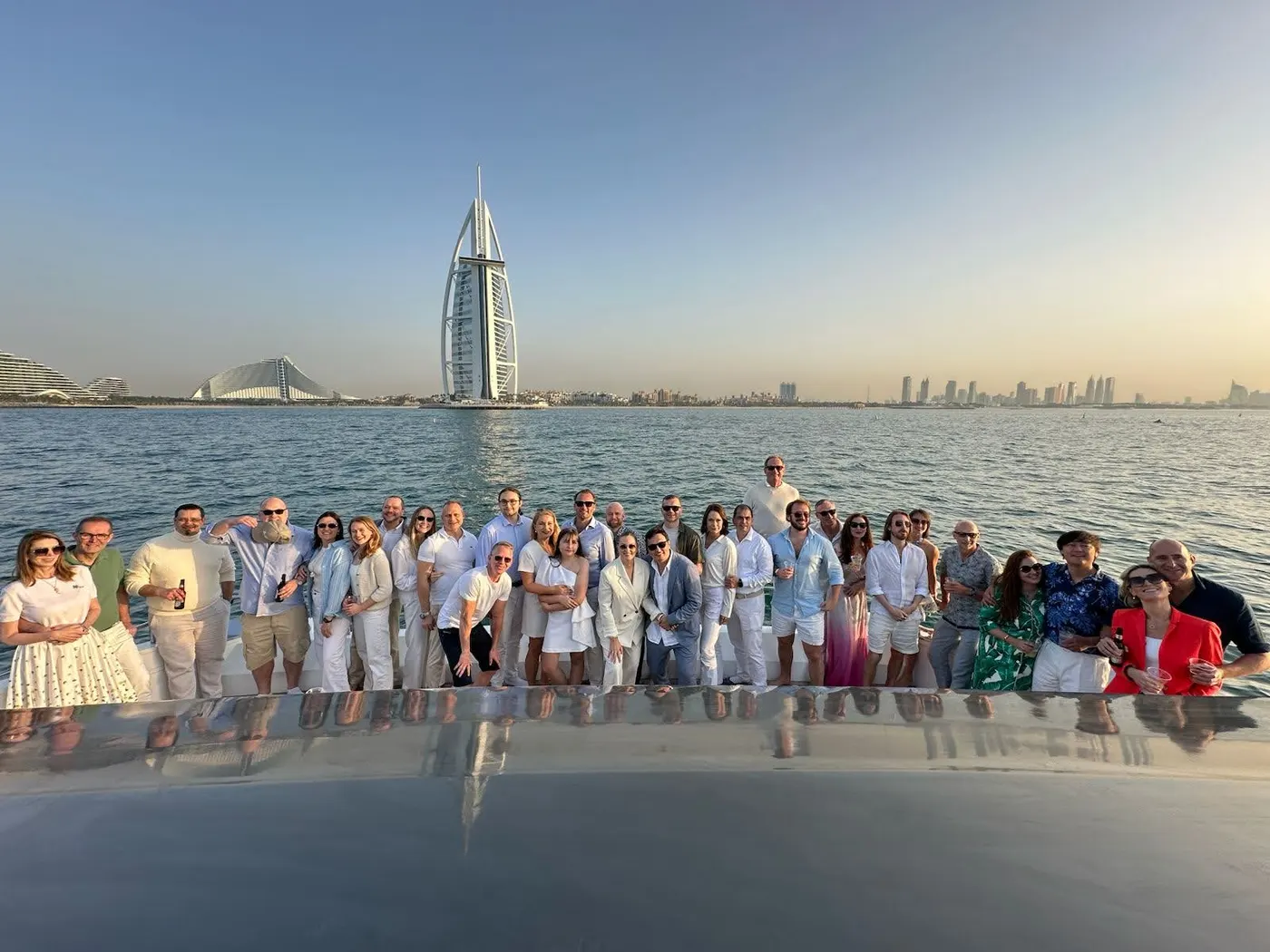
The DACH global Mastermind Series by ivato is aimed at business owners who are at a turning point.
Perhaps the company is meant to grow and become more international. Perhaps it is about a new location. Perhaps it is about succession, scaling or the question of what comes after the success so far.
The mastermind takes place in Tyrol or Dubai.
Tyrol offers calm, distance and space for a new entrepreneurial chapter. You can discover the entrepreneur mastermind in Tyrol here.
Dubai opens up an international perspective on growth, new markets, freedom of location and business opportunities in the GCC region.
The DACH global Mastermind is neither a large conference nor a classic business trip. It is a small, curated group for strategic conversations and concrete decisions.
Conclusion: the entrepreneur mastermind as a turning point
Many entrepreneurs only take time for their future once their dissatisfaction is already very great.
A strategic break can help earlier. It creates space for questions that have no place in the day-to-day business:
- What comes next?
- How can my company grow internationally?
- Can I run my company from abroad?
- Which role do I want to play in future?
- And how can I gain a better quality of life without giving up my life's work?
The best decisions do not always arise where the most work is done. Sometimes they arise where there is enough room to think again.
Find out now about the DACH global Entrepreneur Mastermind in Tyrol, or request a place on the Entrepreneur Mastermind in Dubai now.
Would you rather speak directly? Arrange a no-obligation initial consultation or get in touch.